Beekeeping practice
Creating nucs: a plan for queens, resources and follow-up
A nuc is more than a few frames in a smaller box. The practical work is to give a new colony a viable start while leaving its donor able to continue. The original ApiNote field notes are most useful as a planning framework.
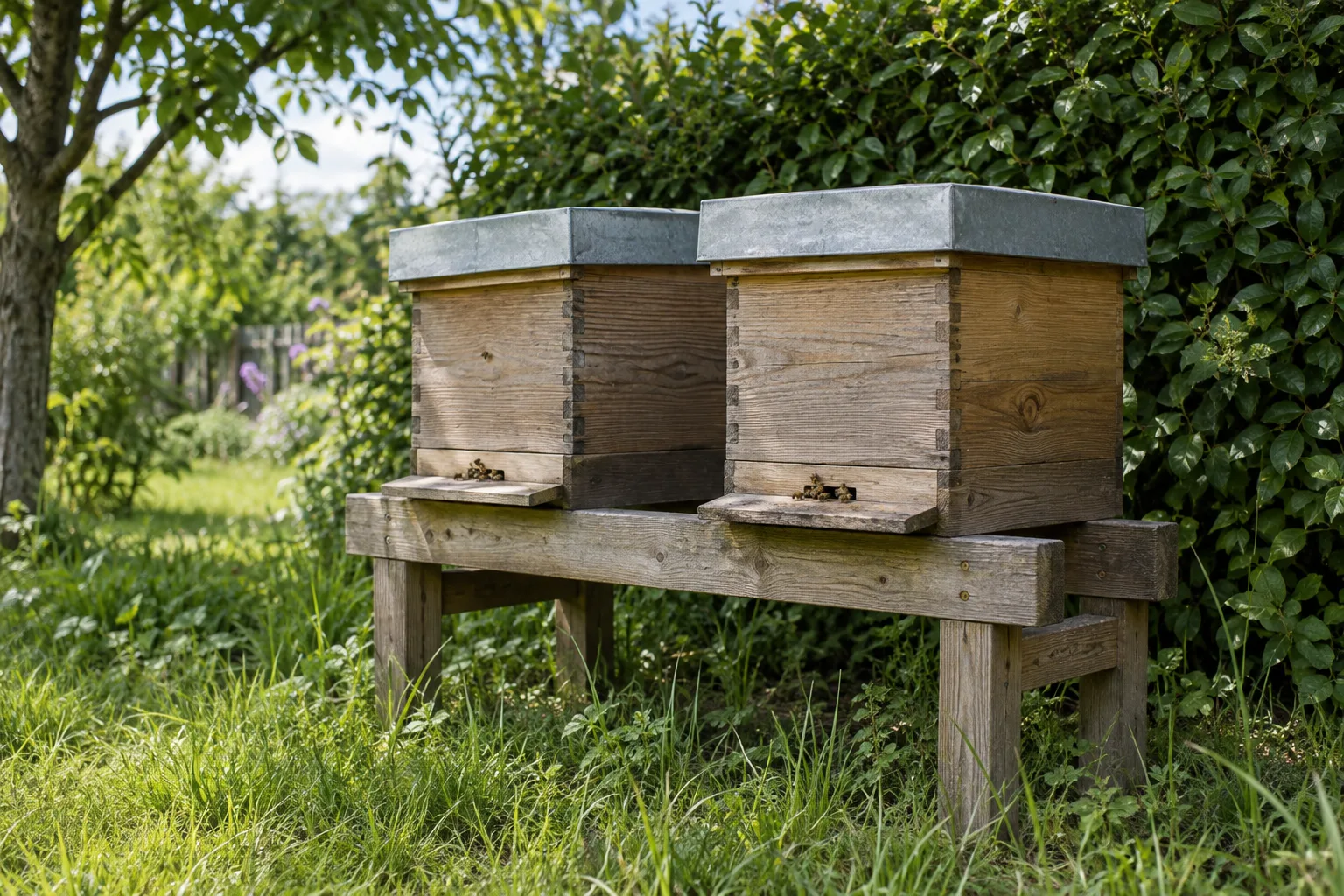
Decide what the nuc is for
The original author described using nucs for expansion, queen replacement and winter reserves. Each purpose changes the timing and the resources you can reasonably commit.
Plan around your local season and queen source. A mated queen, a ripe queen cell and a colony raising its own queen involve different timelines and uncertainties. None gives a guaranteed laying date.
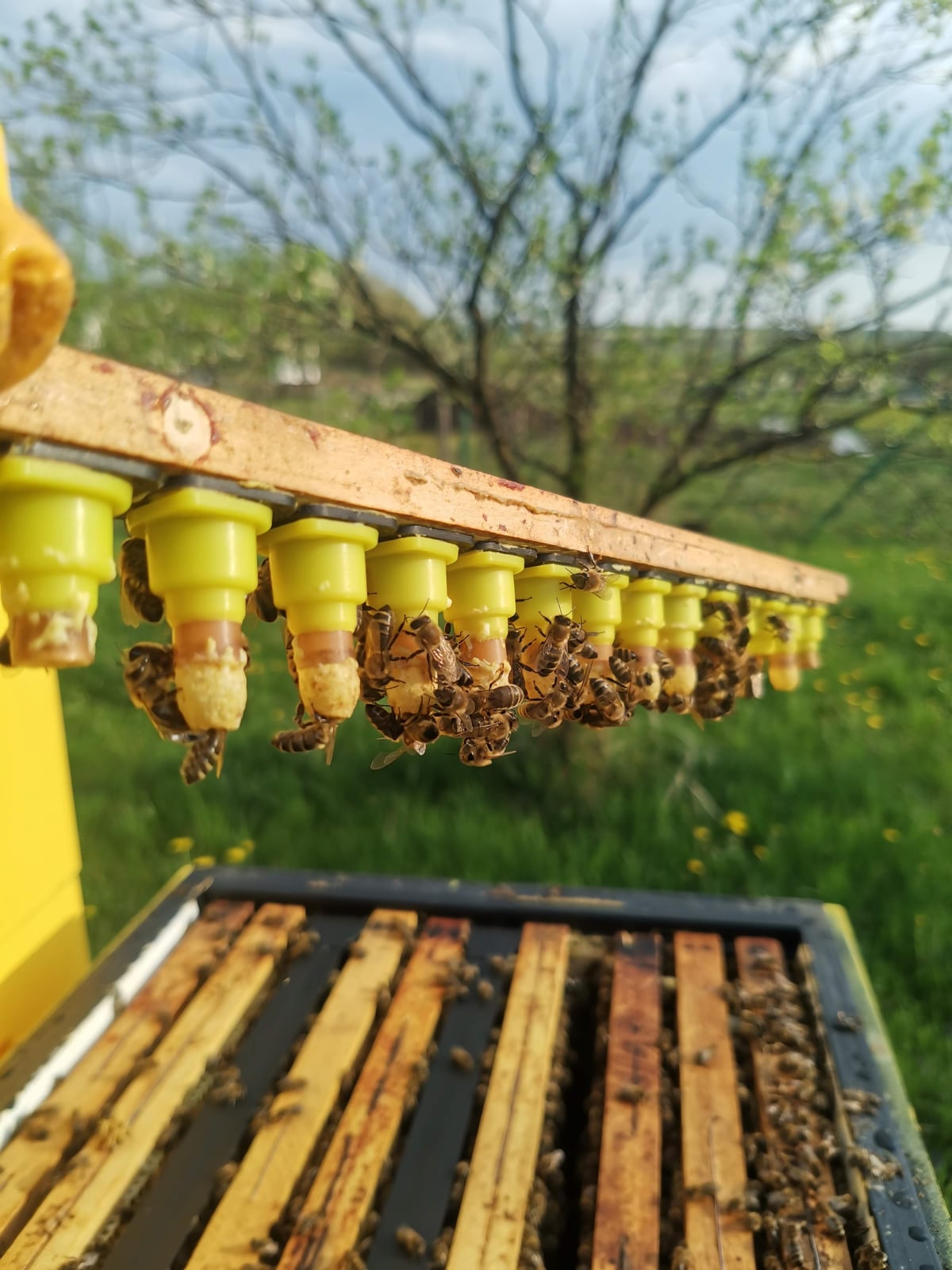
Choose the donor and preserve its history
Use a suitable healthy donor and seek experienced help if you are unsure about brood condition. Do not redistribute comb or bees from a colony suspected of disease.
Record which colony supplied the material and what was moved. This makes later observations traceable, rather than leaving several new boxes with an unknown shared origin.
Balance bees, brood, food and space
The old posts described a five-frame arrangement combining brood, food and room to develop. Treat that as one author’s setup, not a universal recipe for every nuc format or season.
Make sure the chosen setup can support the brood and that the donor is not left depleted. Identify and protect the existing queen during the work. Use a queen-introduction procedure appropriate to the queen source and supplier’s instructions.
Keep entrances, ventilation and transport safety appropriate to the equipment. Do not block a colony for a fixed period just because an online guide says that this will make bees reorient.
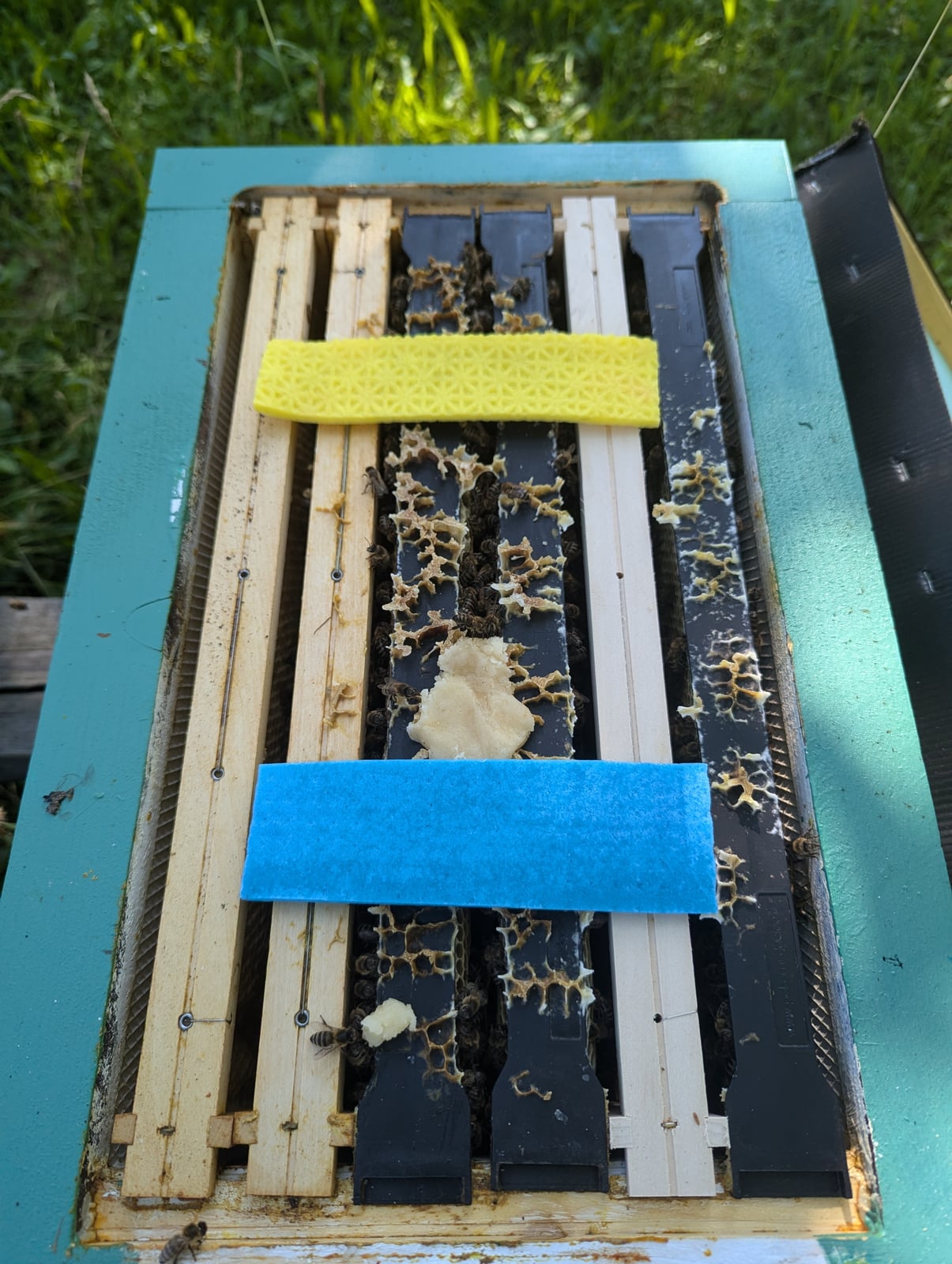
Schedule checks around the queen source
Record the assembly date, queen source and planned follow-up. For a caged queen, release and later laying are different observations. For a queen cell, emergence and mating add further uncertainty.
Assess food, population and brood at suitable intervals without repeatedly disturbing a developing colony. If progress is unclear, ask for an assessment before assuming a precise deadline proves queen failure.
- Nuc identifier and donor colony.
- Queen identity or source, and introduction date.
- Brood and population observations.
- Feed supplied and the reason.
- Mite-monitoring results and any authorised treatment.
- Next check and the purpose of that check.
Captions are not yet available. Open the video file
Promote or overwinter according to the colony
Increase space when colony development and local conditions justify it. For overwintering, use a system with a local track record and maintain a clear food and health-monitoring plan.
Sources & further reading
ApiNote · iOS & Android
Good notes make the next visit easier.
Give every colony a history you can find again. ApiNote is available for iOS and Android, free for up to five hives.
Compare Free & ProKeep exploring
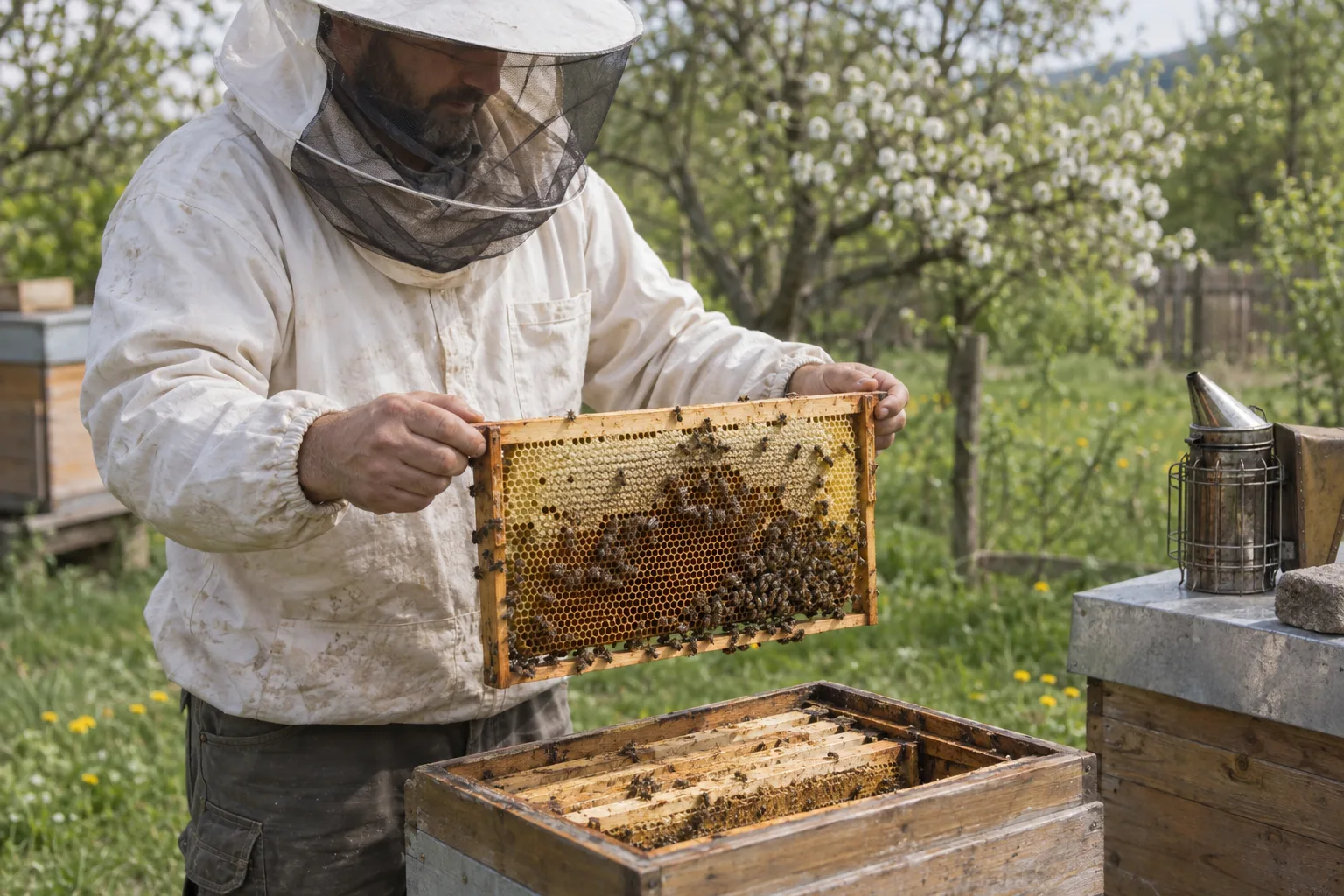
Swarm season: prepare a plan before queen cells appear
A practical approach to swarm-season records, space checks and follow-up. Understand when you need experienced help instead of a quick online fix.
UpdatedOverwintering nucs: plan for a small colony’s needs
A planning guide for overwintering nucleus colonies: queen and population checks, stores, mite monitoring, protection and realistic spring follow-up.
UpdatedWhat to record in a beekeeping logbook
A practical hive record checklist: inspections, queens, feeding, treatments, mite counts and harvests, with clear next actions for your next apiary visit.
Updated