Honey recipes
Honey walnut layer cake, Medovnik-style
This is a slow-weekend cake with a useful secret: the fridge does the final work. Thin honey biscuit layers soften against caramel buttercream overnight, turning a stack of crisp rounds into a tender, neatly sliceable honey cake.
Jump to recipe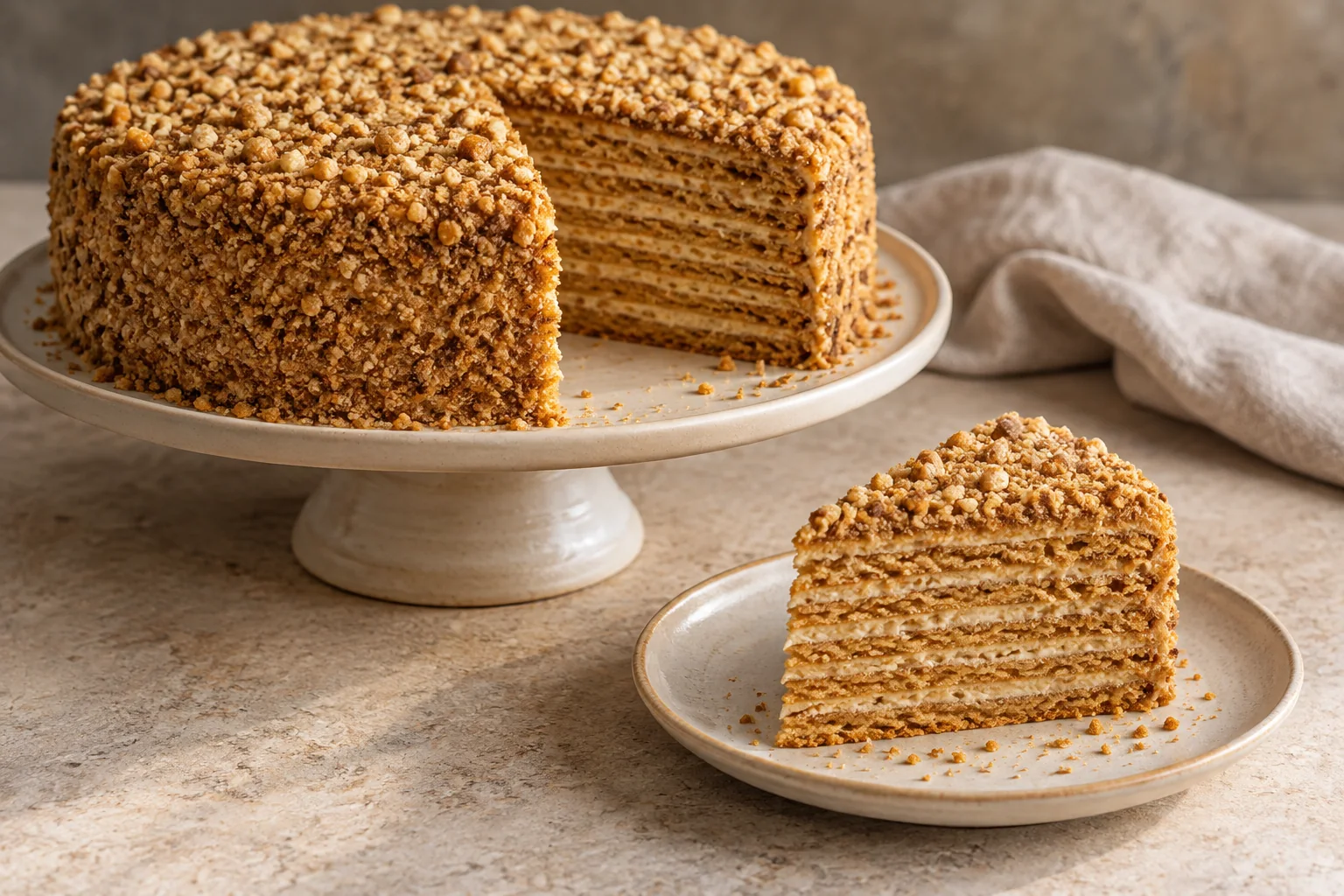
From the honey kitchen
Honey walnut layer cake, Medovnik-style
12 slices · one 20 cm cake A little project
- Prep
- 1 hr 10 min
- Cook / bake
- 40 min
- Rest / chill
- 12 hr 30 min
- Total time
- 14 hr 20 min
Equipment: Two baking trays, baking paper, rolling pin, 20 cm plate or cake ring, mixer and cooling rack.
Ingredients
Amounts are for the yield above. 1 tbsp = 15 ml, 1 tsp = 5 ml; use level measures for dry ingredients.
Honey layers
- 420 g plain flour, plus about 20 g for rolling
- 100 g runny honey
- 130 g caster sugar
- 100 g unsalted butter
- 2 large eggs, lightly beaten
- 1 tsp bicarbonate of soda (about 5 g)
- ¼ tsp fine salt
Caramel cream & coating
- 250 g unsalted butter, softened
- 397 g ready-made dulce de leche, at room temperature
- 150 g full-fat cream cheese, at room temperature
- 80 g walnuts, finely chopped or ground
Step by step
Warm the honey base
Put the honey, sugar and 100 g butter in a saucepan over low heat. Stir until the butter melts and the mixture is smooth; do not boil hard. Remove from the heat, stir in the bicarbonate of soda and allow room for it to foam. Leave until lukewarm, then gradually whisk in the eggs.
Make a soft dough
Stir together the 420 g flour and salt, then mix into the honey mixture. Knead briefly only until combined. The dough should be soft and slightly tacky, not stiff. Cover and rest for 30 minutes. Divide into eight equal pieces.
Roll the rounds
Heat the oven to 180°C / 160°C fan / 350°F. Roll each piece on its own sheet of baking paper, using the extra flour sparingly, into a circle slightly wider than 20 cm and about 2 mm thick. Prick with a fork. Keep unrolled pieces covered so they do not dry out.
Bake and trim
Bake one round at a time for about 5 minutes, until evenly golden, checking early because the edges brown quickly. While still warm, cut around the 20 cm plate or ring. Save the trimmings. Transfer the rounds to a rack and cool fully. Oven speed varies; allow roughly 40 minutes for the batch.
Make the caramel buttercream
Beat the 250 g softened butter for 3–4 minutes until lighter. Add the ready-made dulce de leche in spoonfuls, beating until smooth. Briefly mix in the cream cheese just until incorporated. All three ingredients should be at a similar room temperature to help the cream stay smooth.
Stack and coat
Spread a thin, even layer of cream over each of the first seven rounds, stacking as you go. Reserve enough cream to cover the top and sides. Crush the cooled trimmings into fine crumbs, mix with the walnuts and press onto the cream. Stand the cake on a plate that fits in the fridge.
Let the layers soften
Cover without pressing against the coating and refrigerate for at least 12 hours. The resting time is essential, not an optional decoration step. Take out about 20 minutes before serving, then cut with a sharp knife, wiping the blade between slices. Keep the remaining cake refrigerated.
Choose a honey you enjoy
A mild blossom honey lets the caramel and walnuts share the stage. A darker honey brings a stronger, slightly malty character. Both work, but this is not a recipe for replacing all the sugar with extra honey: that changes the dough’s moisture and how quickly it browns.
Crystallised honey can be gently warmed in a bowl over warm water until spoonable. Weigh it after softening and avoid adding water to loosen it.
Make it the day before
The most common disappointment is slicing too early. Freshly baked rounds are supposed to feel biscuit-like; moisture from the filling softens them during the long chill. If the layers still resist the knife, give the covered cake more time in the fridge.
Store covered at 4°C or colder and eat within three days. Use ready-made dulce de leche, not a sealed tin boiled at home. For a nut-free version omit the walnuts and use only cake crumbs, checking all ingredient labels for your needs.
ApiNote · iOS & Android
Every jar has a story.
Keep bees yourself? Record your honey harvests and each colony’s progress in ApiNote. For iOS and Android, free for up to five hives.
Compare Free & ProKeep exploring
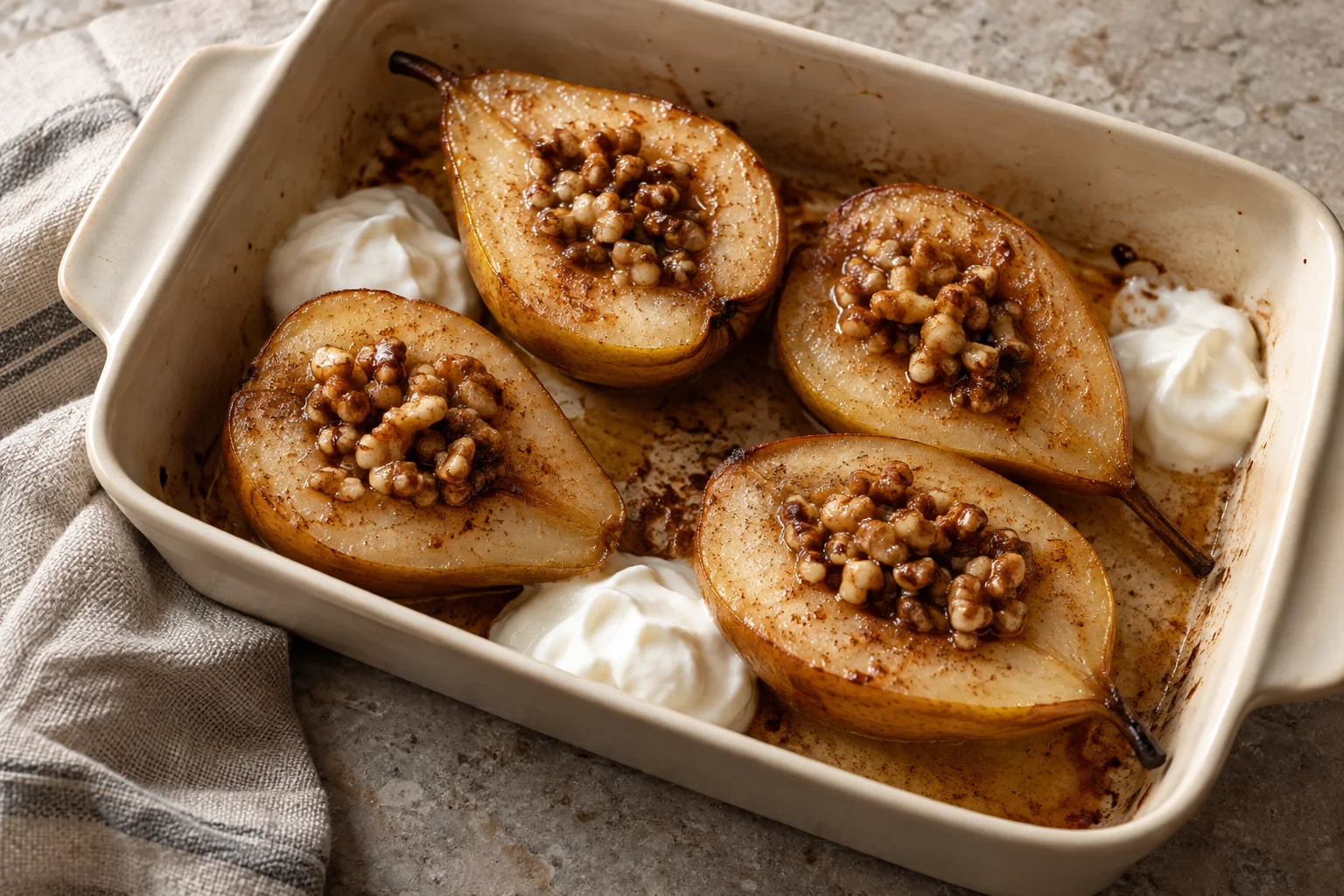
Honey baked pears with walnuts and yogurt
Warm pear halves filled with honey, cinnamon and walnuts, served with cool Greek yogurt. A relaxed dessert with only ten minutes of preparation.
Updated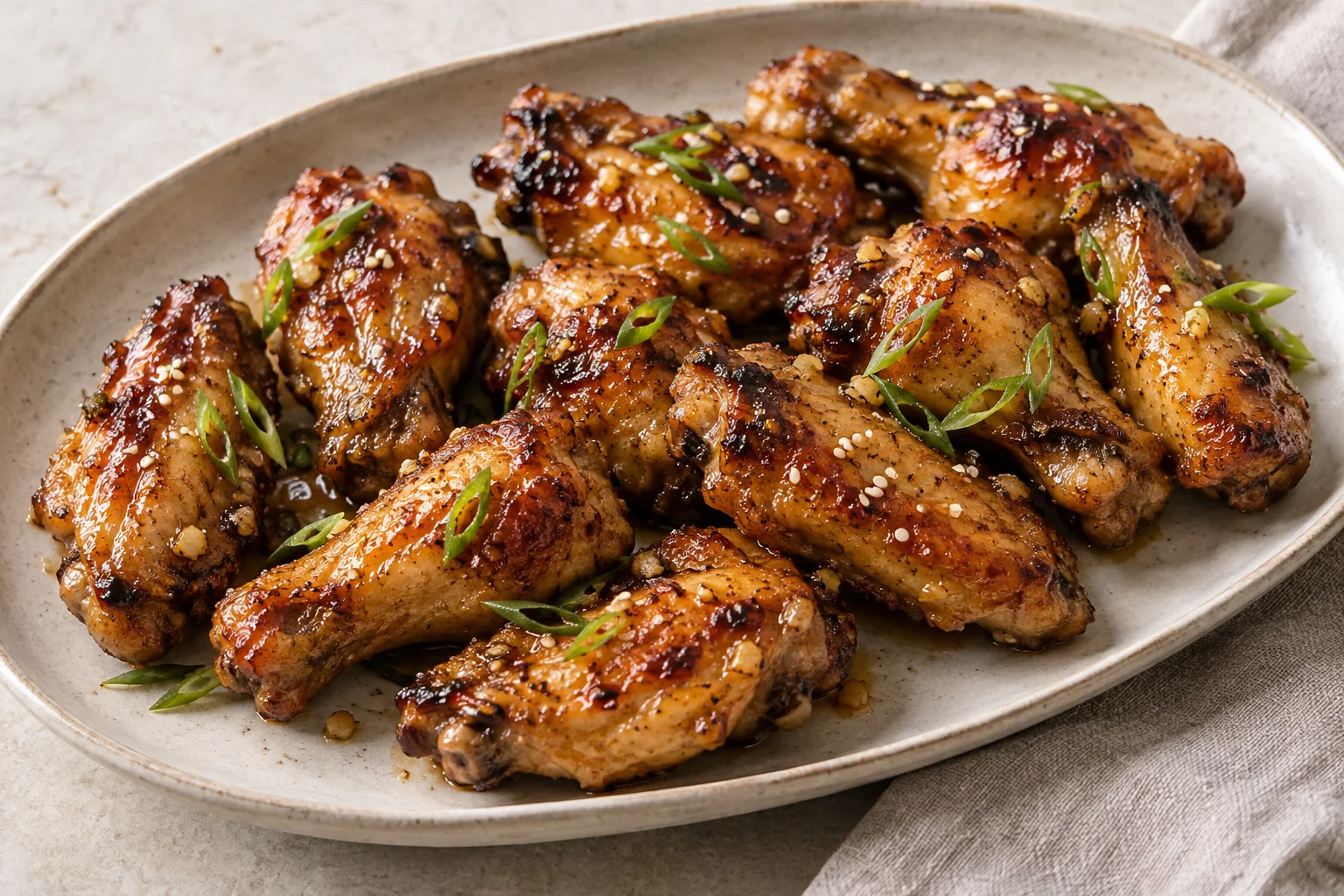
Sticky honey garlic chicken wings
Crisp oven-baked chicken wings finished with a honey, soy and garlic glaze. Includes the right glazing moment and a safe internal-temperature check.
Updated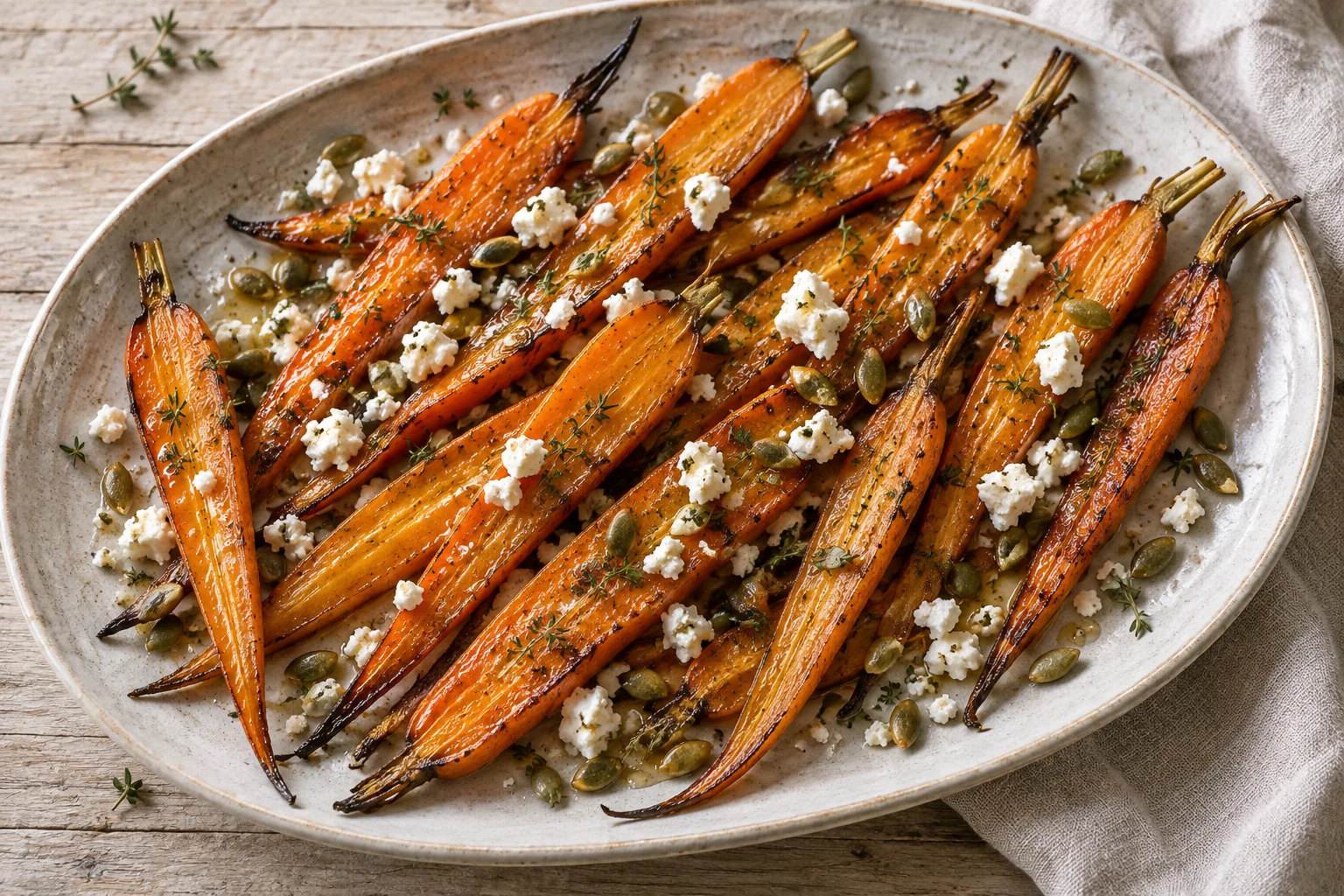
Honey roasted carrots with feta and thyme
Tender roasted carrots with a late honey glaze, salty feta and toasted pumpkin seeds. An easy colourful side with clear oven timings and serving tips.
Updated