Beekeeping practice
Plan a honey harvest without losing the colony’s context
A honey crop is the result of a season, not a single trick. A useful harvest plan keeps colony needs, food quality and the records behind the crop in the same conversation.
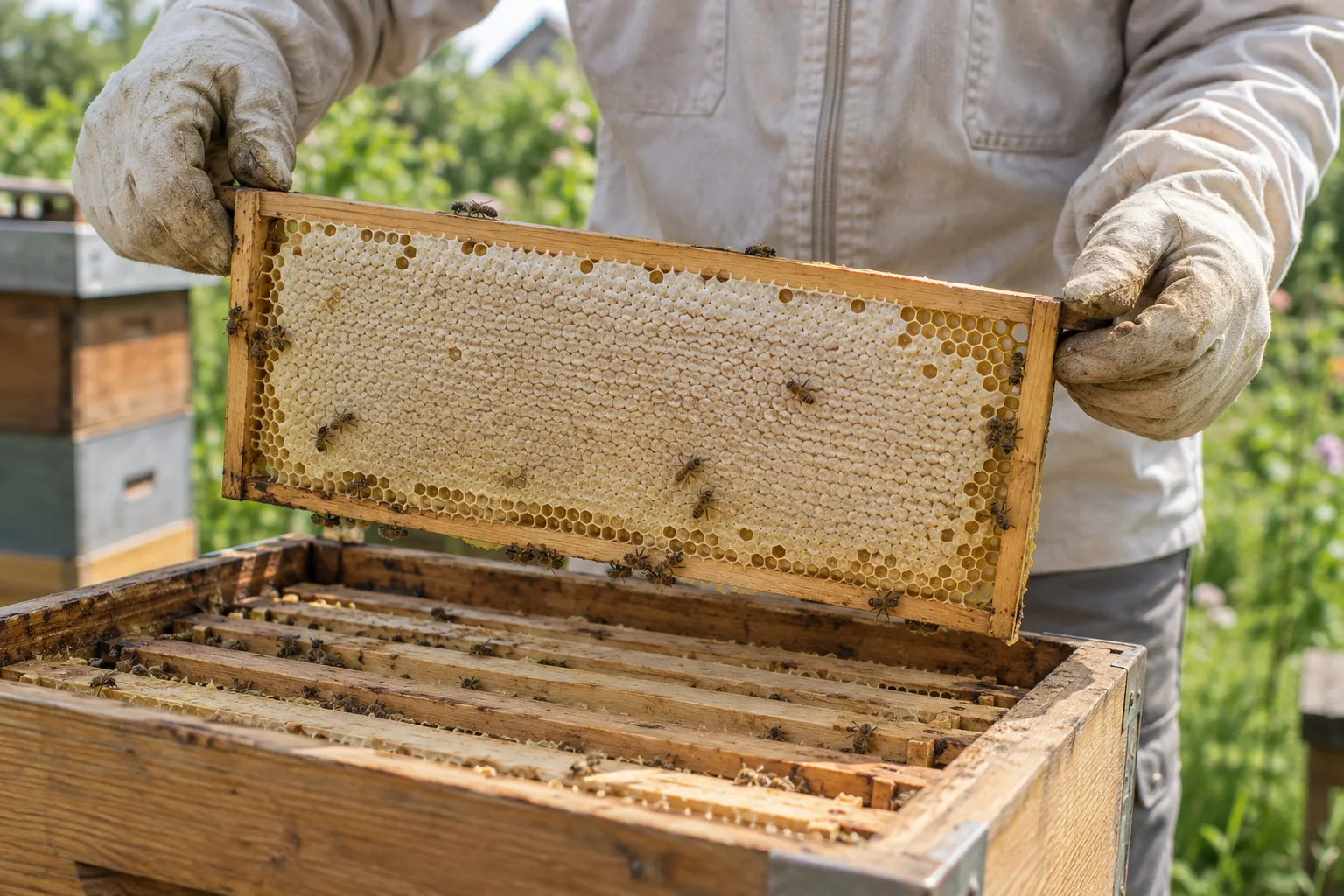
Observe the local flow
Keep notes of major flowering periods and weather at the apiary. A calendar from another region cannot tell you when a particular site has a surplus.
Planting appropriate forage can be worthwhile, but a few flowering plants beside a hive do not guarantee a larger harvest. Record what you observe rather than attributing yield to a single intervention.
Give the figures a colony history
Note queen changes, swarms, splits and moves when comparing harvests. A colony used to create nucs has not had the same season as a full production colony left intact.
Manage space in response to the colony and conditions. Do not avoid necessary health interventions just because an article describes chemical-free production as a shortcut to better honey.
Check readiness and retain sufficient stores
Assess harvestable honey with appropriate local training and food-hygiene guidance. Capping alone is not a universal substitute for checking moisture and suitability for storage.
Keep feed and honey intended for harvest separate, observe treatment restrictions and leave adequate food for the colony. There is no single weight or percentage that answers all of these questions for every hive and climate.
Record the crop so you can trace it
Log the date, source hive or apiary and quantity. Keep the connection to your own batch, extraction and storage records, including any measurements relevant to food quality.
ApiNote’s harvest records and statistics help you review what was entered. They do not certify honey quality or automatically satisfy every food-traceability requirement.
Ask a better question at the end of the season
Instead of “Which trick made more honey?”, compare similar colonies and look for missing information. Was the flow short? Was a harvest unrecorded? Was one hive split?
Choose one change to investigate next year and keep the baseline. A smaller crop can still accompany sound decisions for colony welfare.
Sources & further reading
ApiNote · iOS & Android
Good notes make the next visit easier.
Give every colony a history you can find again. ApiNote is available for iOS and Android, free for up to five hives.
Compare Free & ProKeep exploring
Make sense of your beekeeping statistics
Compare honey harvests and colony records without confusing missing data with poor performance. A practical guide to using ApiNote statistics and CSV export.
Updated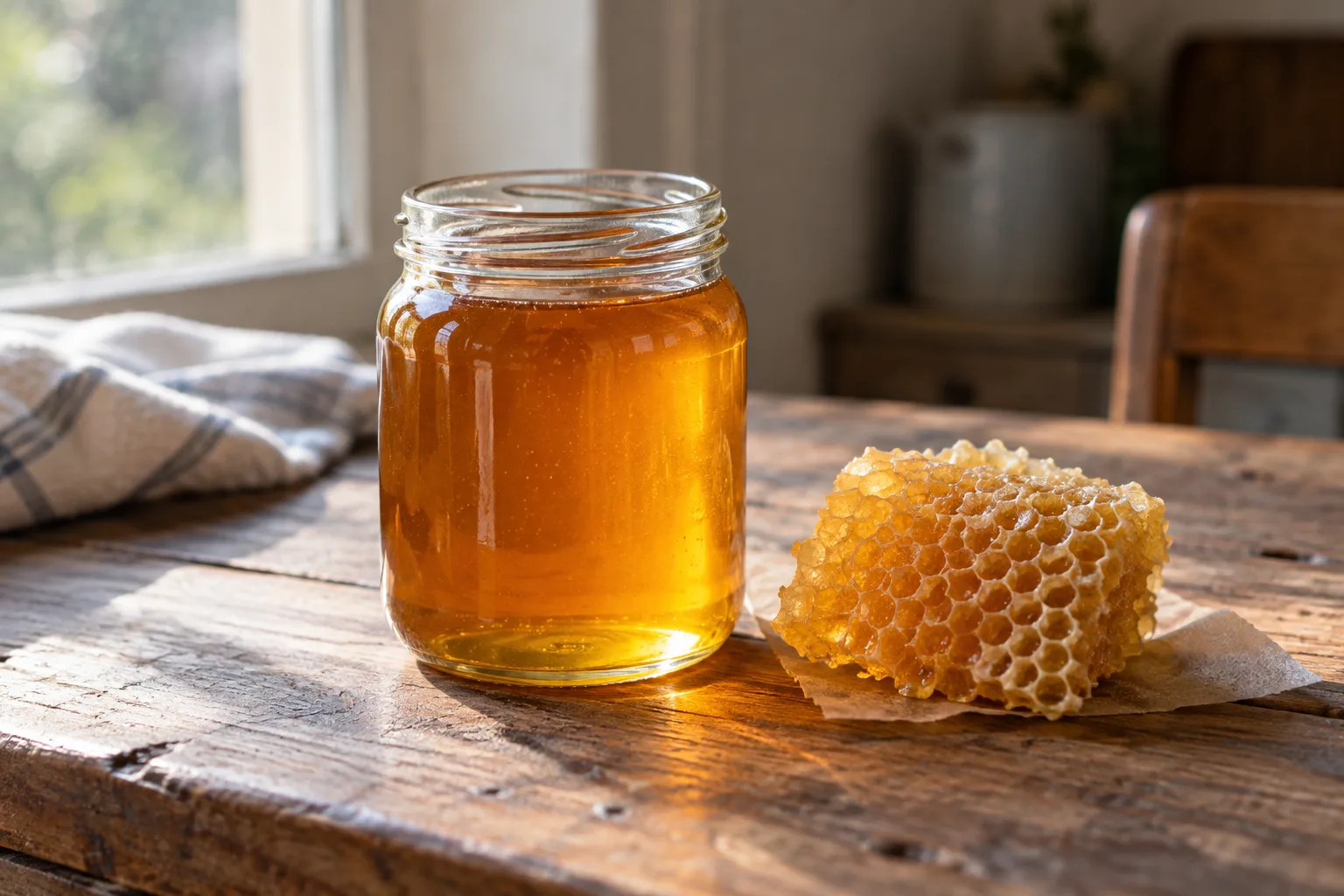
Raw honey: enjoy the flavour, be careful with health claims
A practical note on raw honey, honest product descriptions and safe use. Why a jar of honey should not be marketed as a cure or given to infants under 12 months.
Updated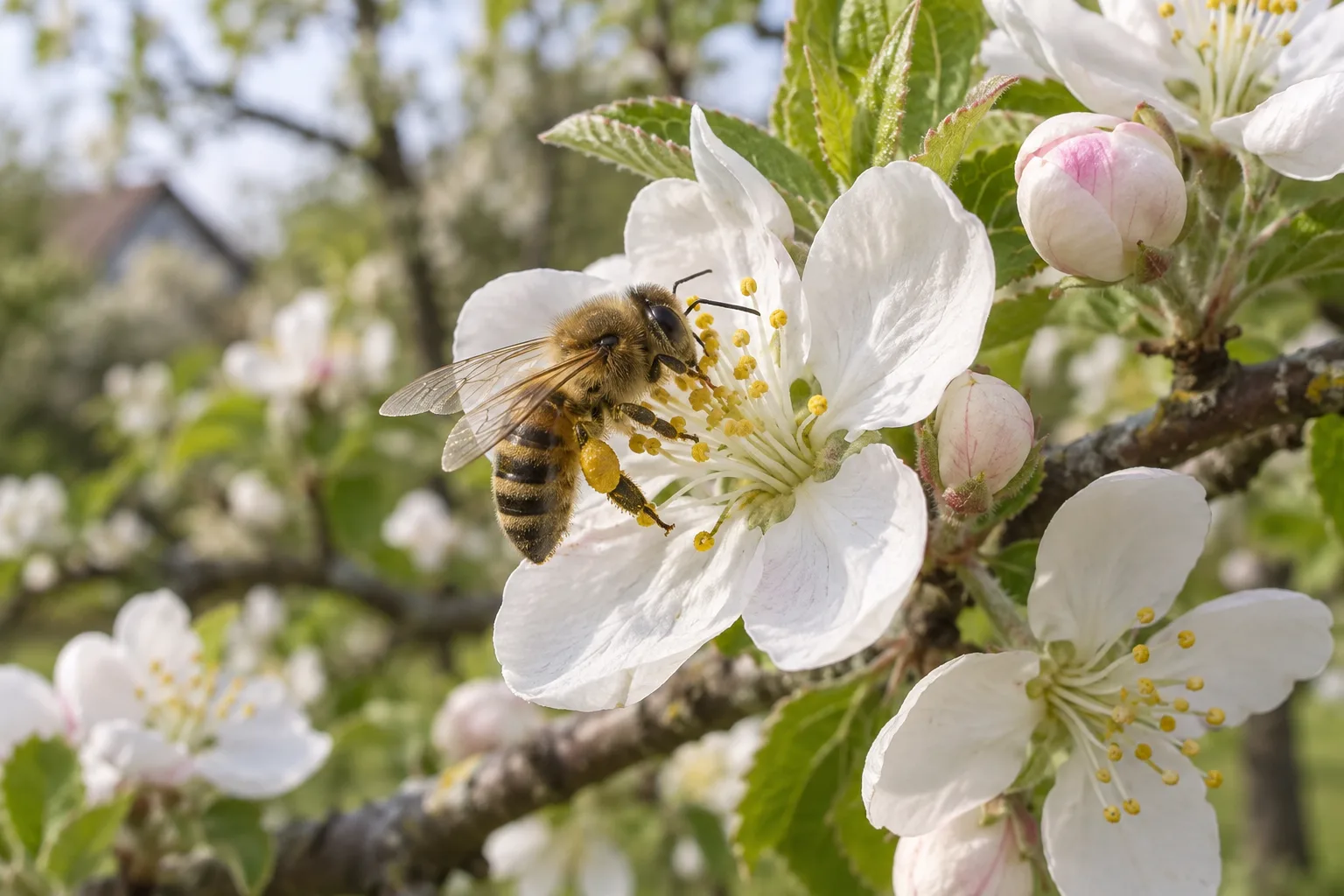
Keep a useful record of weather and forage
Track bloom dates, weather interruptions and colony observations at your apiary. Build a local seasonal record without confusing forecasts with field evidence.
Updated