Beekeeping practice
Preparing bees for winter: a colony-by-colony checklist
Winter preparation begins while there is still time to respond. The question is not whether every box received the same treatment, but whether each colony has a workable plan for the months ahead.
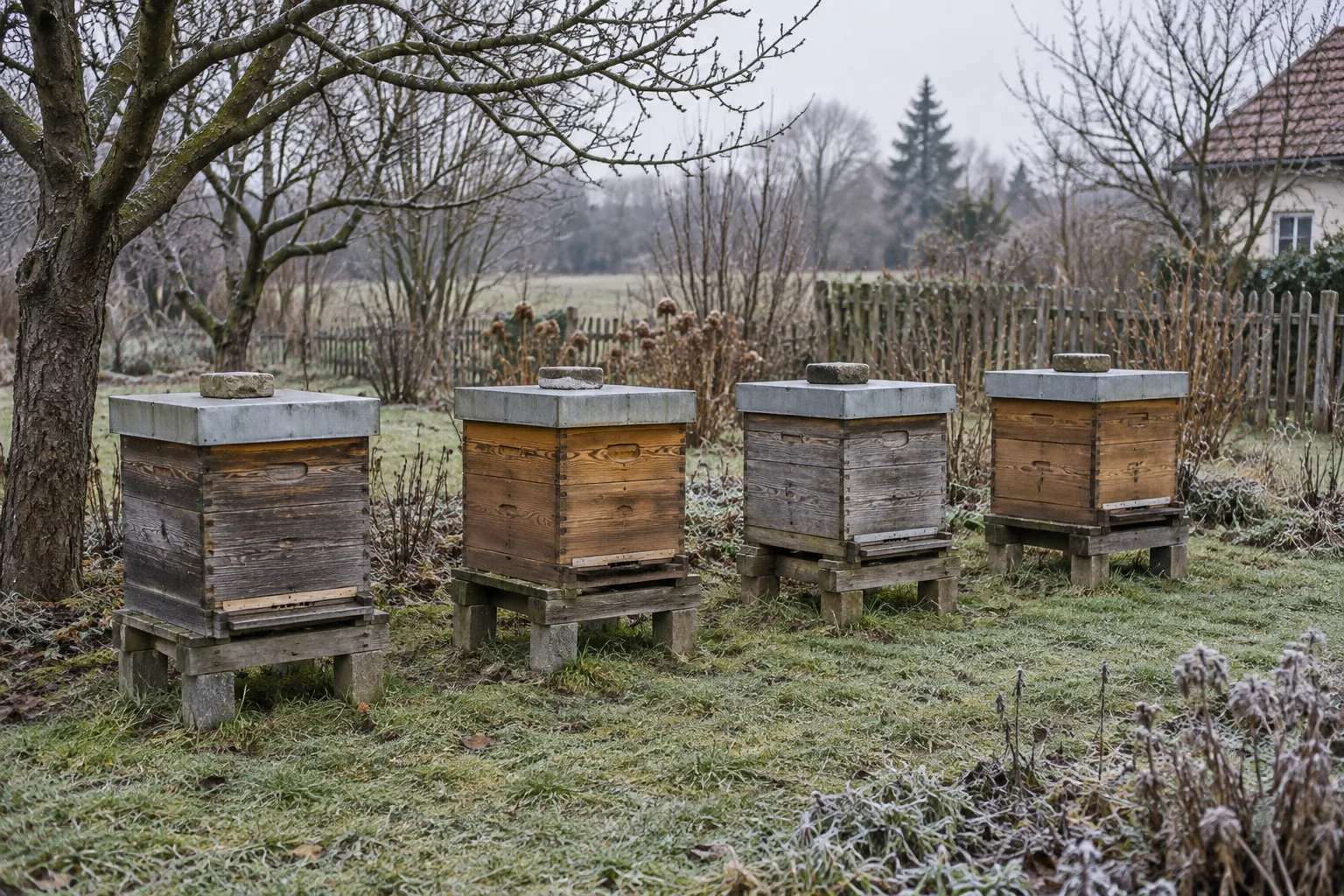
Review health and strength early enough to act
Look at queen and brood observations, population, food and the results of mite monitoring. Resolve concerns with local help while conditions still allow it.
Do not automatically unite weak colonies without considering why they are weak. If disease is suspected, avoid transferring bees or comb and seek guidance from the appropriate inspector or adviser.
Assess food for your hive and climate
Required stores depend on colony size, hive format, the length of the dearth and local conditions. The differing weight targets in the old articles should not be treated as interchangeable universal rules.
Use a consistent way of assessing reserves and record any feed supplied. Plan early enough for the colony to use or store the chosen feed appropriately. Keep accessible food under review later; an autumn feeding entry is not proof that reserves will remain sufficient.
Close the loop on mite management
A treatment entry is not the same as evidence that control succeeded. Keep the product details, dates and required removal or follow-up work together with the monitoring results.
Use current local guidance and the actual product label. Brood status, temperature, colony size and honey restrictions matter; there is no single late-season product or calendar suitable for every colony.
Check the box and the site
Check sound lids, stable stands, drainage, wind exposure and entrance protection appropriate to your location. Match insulation and moisture management to the hive system and climate.
Keep necessary access and ventilation open. Do not apply a universal instruction to crack lids or seal every gap without understanding how that hive design manages moisture.
Leave a winter monitoring plan
Arrange checks for storm damage and changing food reserves without unnecessary disturbance. Decide in advance how you will respond if a colony becomes light or equipment is damaged.
Record the baseline, the checks made and anything unresolved. Those notes will make the first spring assessment more useful than simply counting boxes that survived.
Sources & further reading
ApiNote · iOS & Android
Good notes make the next visit easier.
Give every colony a history you can find again. ApiNote is available for iOS and Android, free for up to five hives.
Compare Free & ProKeep exploring
Varroa management: monitor, act and check the result
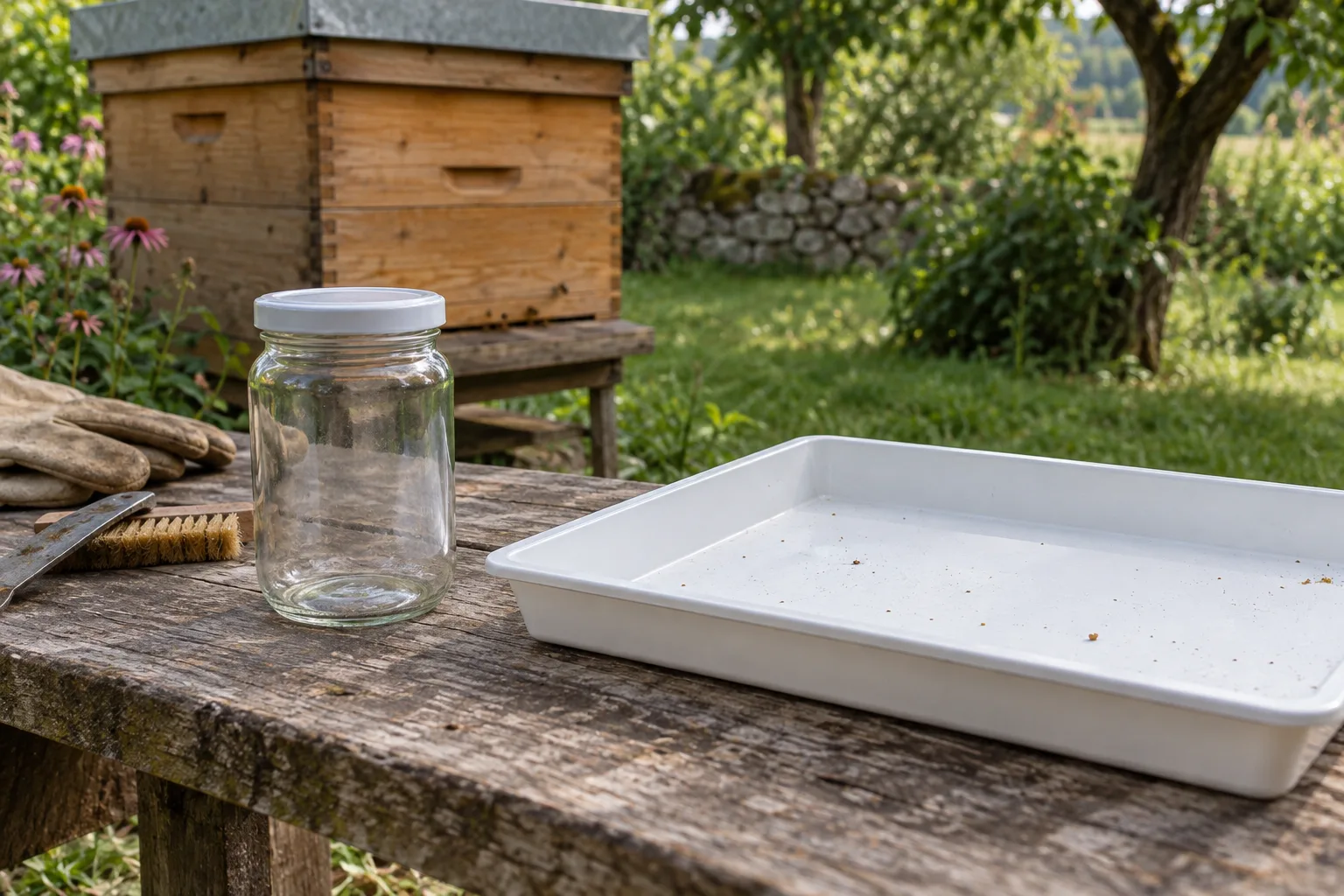
Build a traceable varroa management record: sampling method, mite result, locally appropriate action and follow-up. No universal treatment calendar or dose.
Updated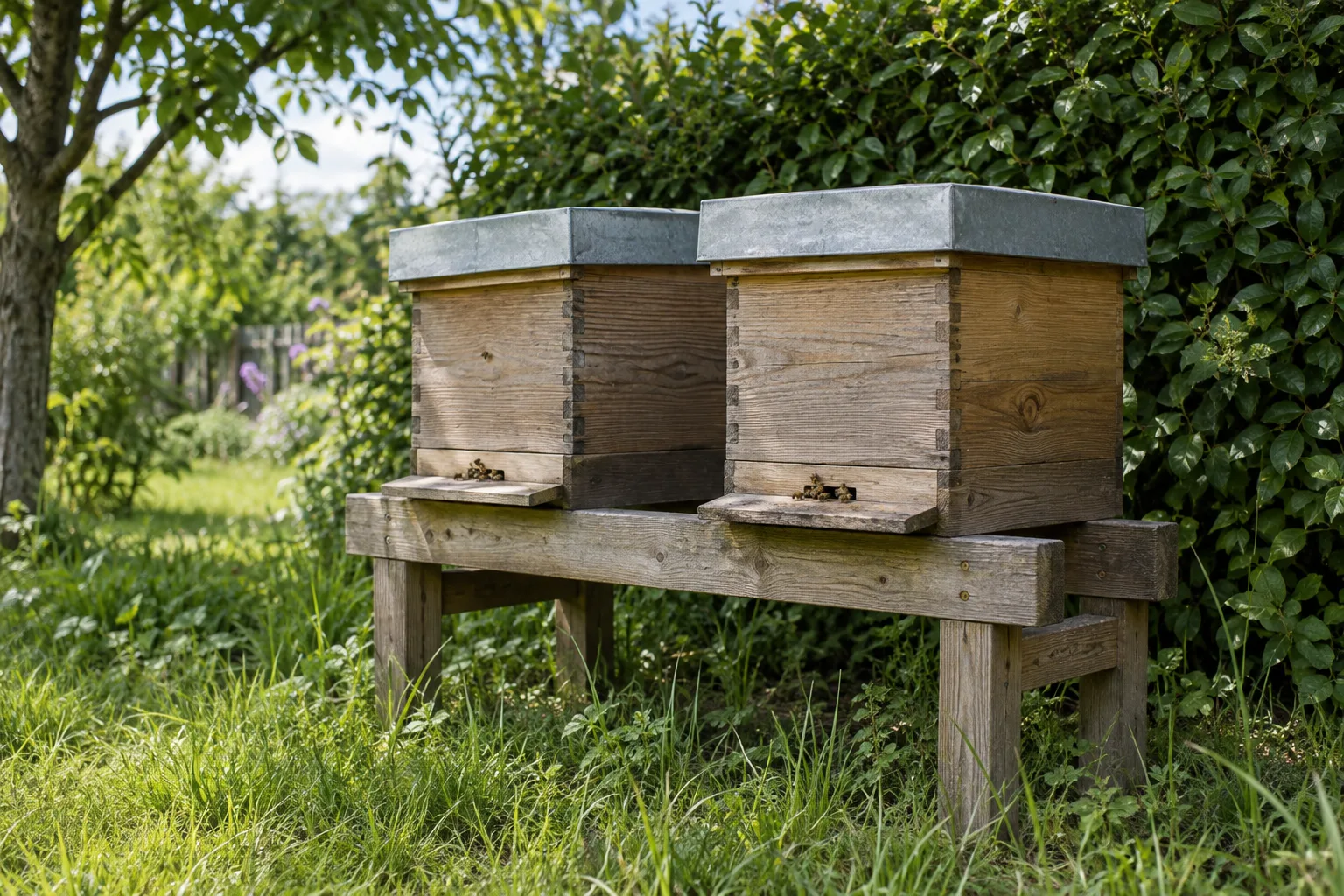
Overwintering nucs: plan for a small colony’s needs
A planning guide for overwintering nucleus colonies: queen and population checks, stores, mite monitoring, protection and realistic spring follow-up.
Updated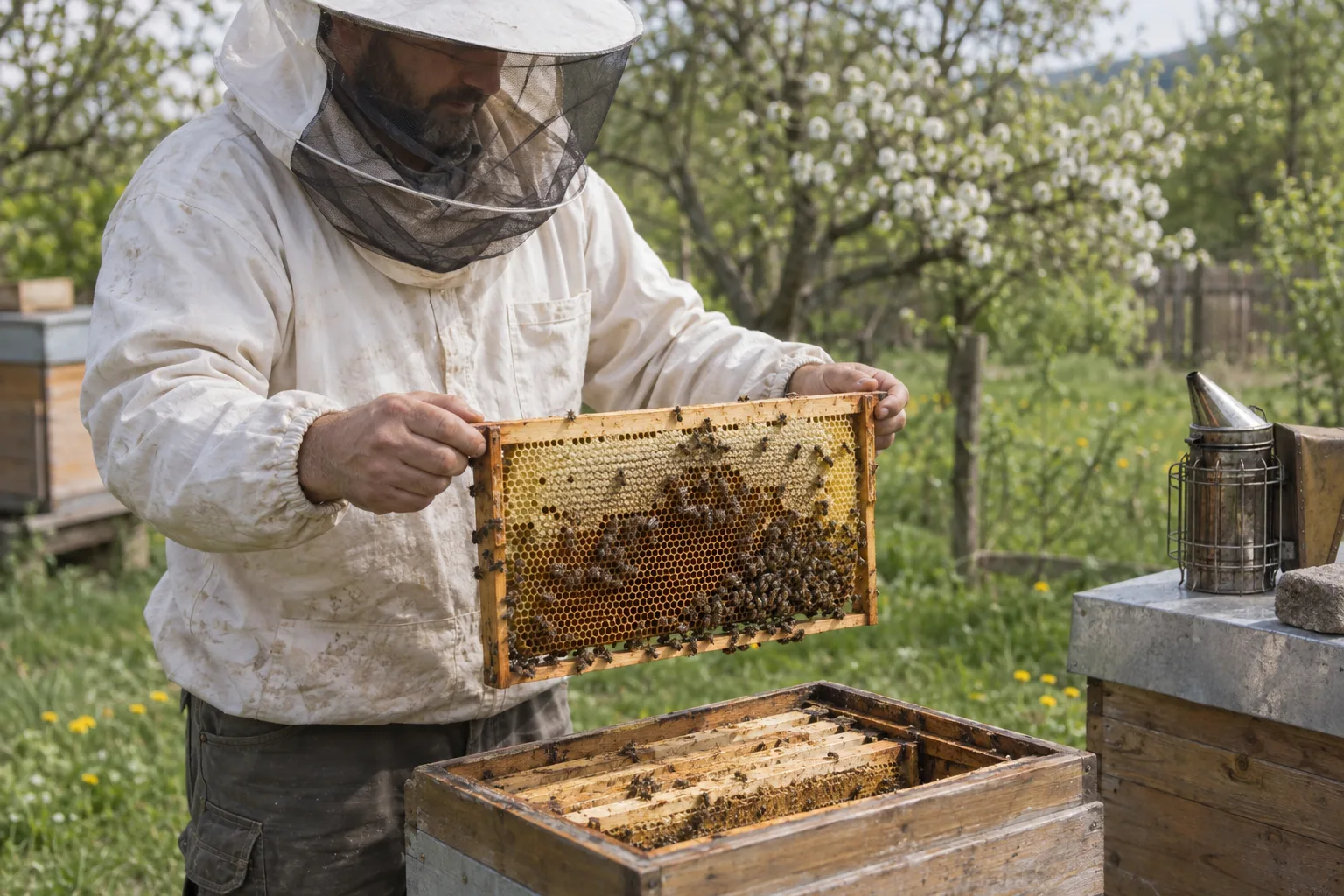
A spring hive inspection checklist that follows the colony
Plan the first spring inspection around stores, brood, colony strength, space and follow-up work—not a fixed date or a promise of rapid growth.
Updated