Beekeeping practice
Varroa management: monitor, act and check the result
Varroa management is a continuing process, not a box ticked after one treatment. A useful plan connects the result of monitoring to an appropriate action and a later check.
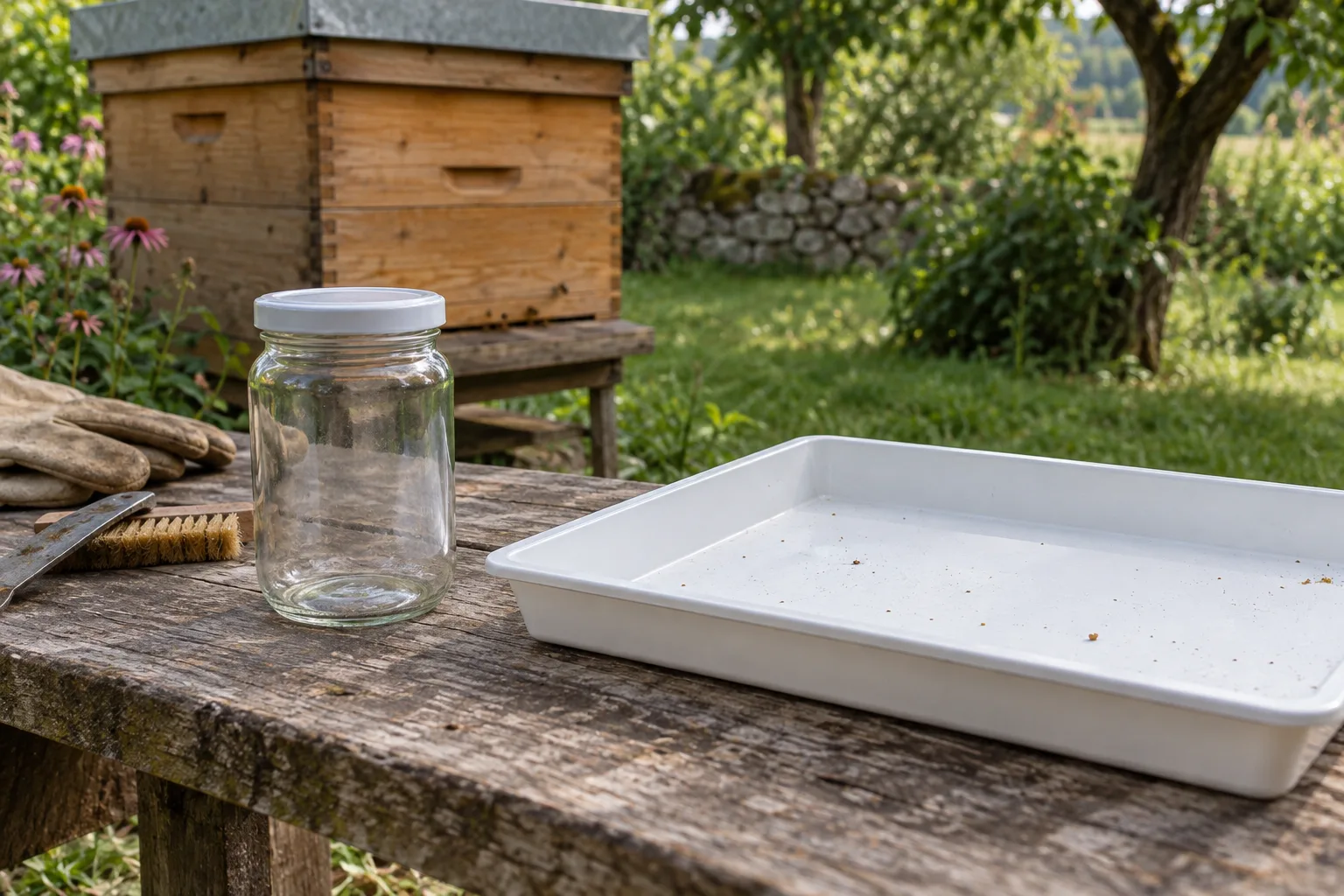
Make the count interpretable
Record the date, colony, sampling method, sample size and count. A bare number such as “six mites” is not enough to compare adult-bee samples with natural mite fall on a board.
The University of Minnesota Bee Lab describes alcohol washes and powdered-sugar rolls, including their limitations. Follow a recognised protocol and learn it with someone experienced. Sampling must avoid the queen; some methods sacrifice the sampled bees.
Use guidance appropriate to your situation
Action thresholds depend on local conditions and the wider management plan. The different percentages in the three old articles were not interchangeable instructions for every season or country.
Keep the source of your chosen guidance with the result. A low count on one date does not establish that a colony will remain low for the rest of the year. Visual appearance alone is not a substitute for monitoring.
Choose an action with the actual constraints in front of you
Integrated management may combine suitable stock, biological management and registered treatments. Each option has limitations. Get help choosing an approach appropriate to your colony and region.
Before using a product, check its current local authorisation and full label. A product mentioned in a US guide is not automatically authorised in Europe, and products containing the same active ingredient can have different instructions.
- Colony size and the amount of brood.
- Temperature and other label restrictions.
- Honey supers, withdrawal rules and food safety.
- Required protective equipment and safe handling.
- Application, removal and follow-up dates.
Check the outcome, not just the treatment entry
Record what was actually done and any deviations or problems. Schedule a follow-up according to the product and the monitoring guidance being used.
If a result remains concerning, consult a qualified local adviser. Do not automatically add another treatment or repeat a dose without checking the full situation.
Keep one history per hive
ApiNote can keep mite-wash and treatment activities with the relevant hive and tasks for the next check. Your record should still include whatever additional medicine or pesticide information local rules require.
This article is an organisational guide, not a diagnosis, prescription or replacement for a product label.
Sources & further reading
ApiNote · iOS & Android
Good notes make the next visit easier.
Give every colony a history you can find again. ApiNote is available for iOS and Android, free for up to five hives.
Compare Free & ProKeep exploring
Preparing bees for winter: a colony-by-colony checklist
Review stores, colony condition, varroa follow-up and hive protection before winter. A practical checklist that avoids one-size-fits-all dates and feed targets.
UpdatedOxalic acid vaporization: what to check before treatment
Understand the decisions around oxalic acid vaporization: monitoring, brood status, the authorised product label, operator protection and follow-up records.
Updated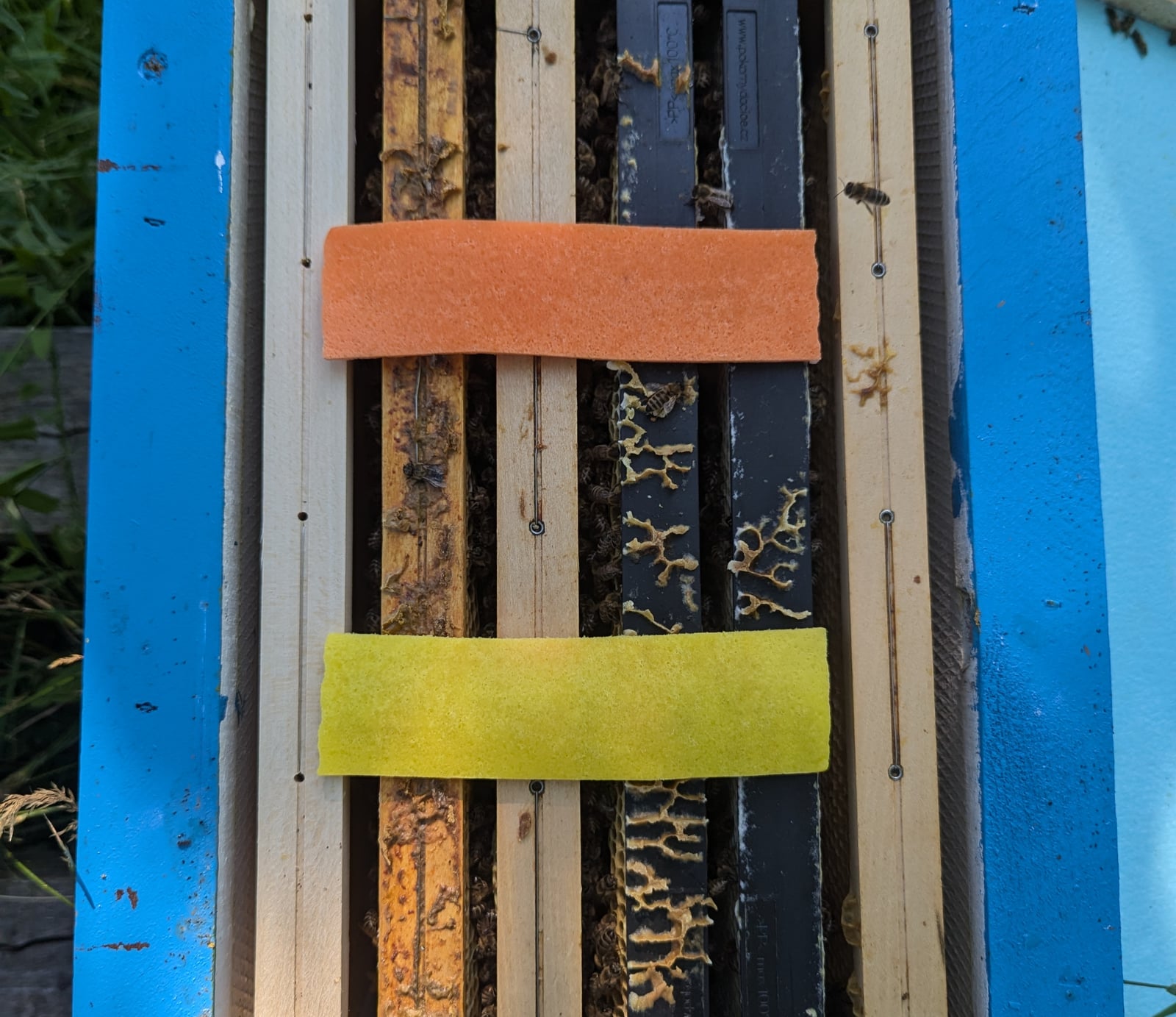
Extended-release oxalic acid: lessons from an old field note
An updated note on extended-release oxalic acid, preserving original apiary photos while separating personal experience from authorised treatment guidance.
Updated