Beekeeping practice
A spring hive inspection checklist that follows the colony
A warm day can arrive before reliable forage. The first spring inspection is an assessment of what the colony needs now, not a signal to feed, expand and split every hive at once.
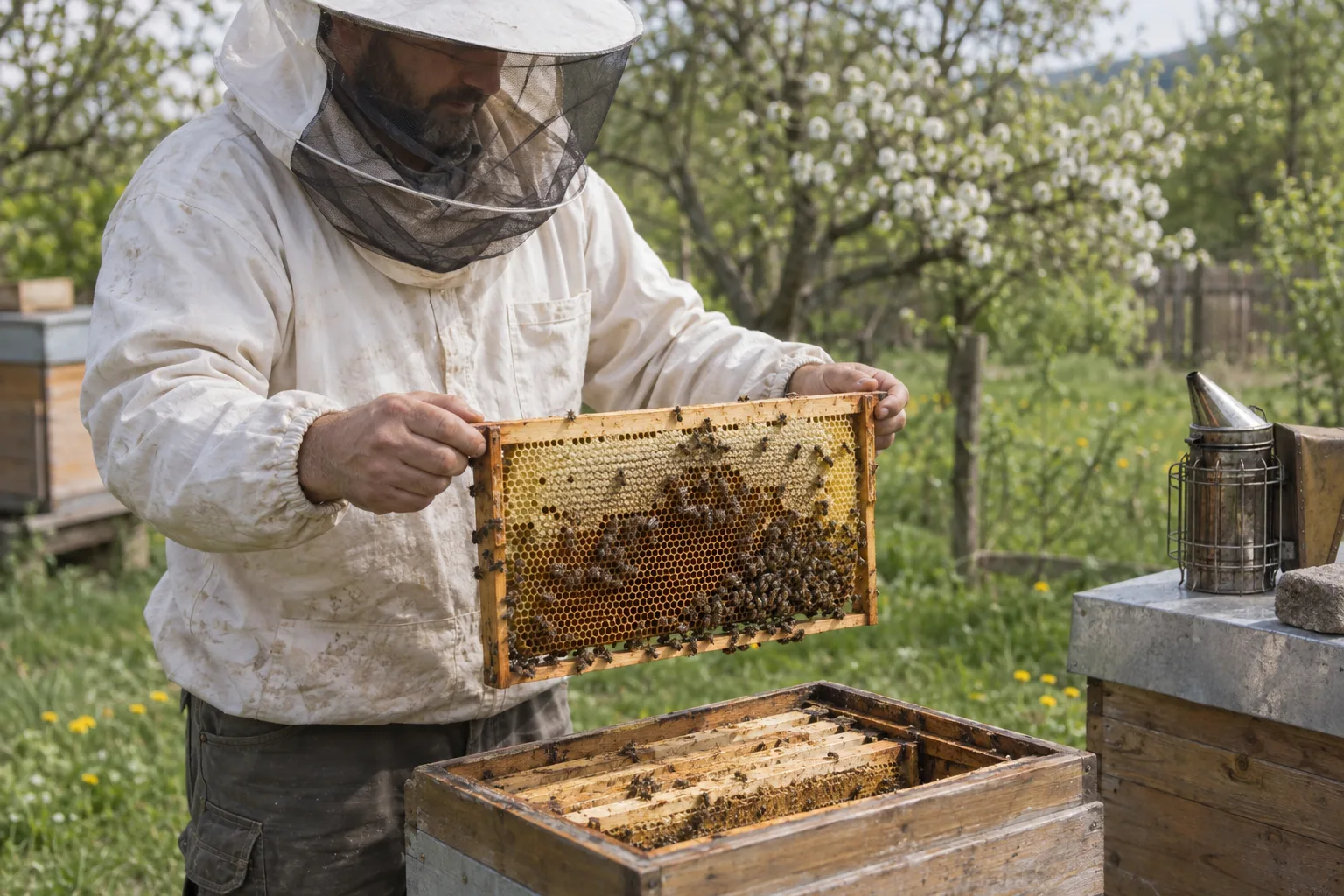
Prepare before the lid comes off
Review the last autumn and winter notes: stores, queen changes, mite results and unresolved problems. Take the equipment needed to answer those questions efficiently.
Choose conditions suitable for the work and keep exposure of brood brief. If the weather is unsuitable for a full inspection, do not turn a food check into a long frame-by-frame examination.
Assess the colony’s position
Look for food, brood and enough bees to care for it. Record what you observe instead of requiring a queen sighting every visit. Note damaged equipment, leaks or other issues you need to address.
- Stores and whether they are accessible to the bees.
- Eggs and brood observations; queen seen only if actually seen.
- Colony population in relation to occupied space.
- Signs of disease or abnormal brood needing expert assessment.
- Current space for brood and incoming nectar.
- The follow-up decision and its timing.
Feed and expand in response to evidence
The National Bee Unit highlights food reserves as a spring priority: demand can rise as brood rearing increases. Assess available forage and stores rather than treating syrup or protein supplements as a compulsory growth programme.
Match space to colony development and local conditions. Avoid unnecessary disruption of the brood nest. Prepare spare equipment before growth and swarm pressure make the next visit urgent.
Plan monitoring and swarm follow-up
Keep your varroa monitoring plan active and use product-specific guidance if action is required. Do not select a treatment from a generic spring calendar.
If you find queen cells or uncertain brood signs, record their state and get appropriate advice. Adding a super is not a universal answer to every queen-cell situation.
Use this visit as a baseline
Record the weather, colony condition and what you changed. At the next check, compare with this specific baseline rather than a memory of how spring is supposed to look.
The old articles promised explosive growth and a maximised harvest. This revised checklist makes no such guarantee: the useful outcome is an informed next decision.
Sources & further reading
ApiNote · iOS & Android
Good notes make the next visit easier.
Give every colony a history you can find again. ApiNote is available for iOS and Android, free for up to five hives.
Compare Free & ProKeep exploring
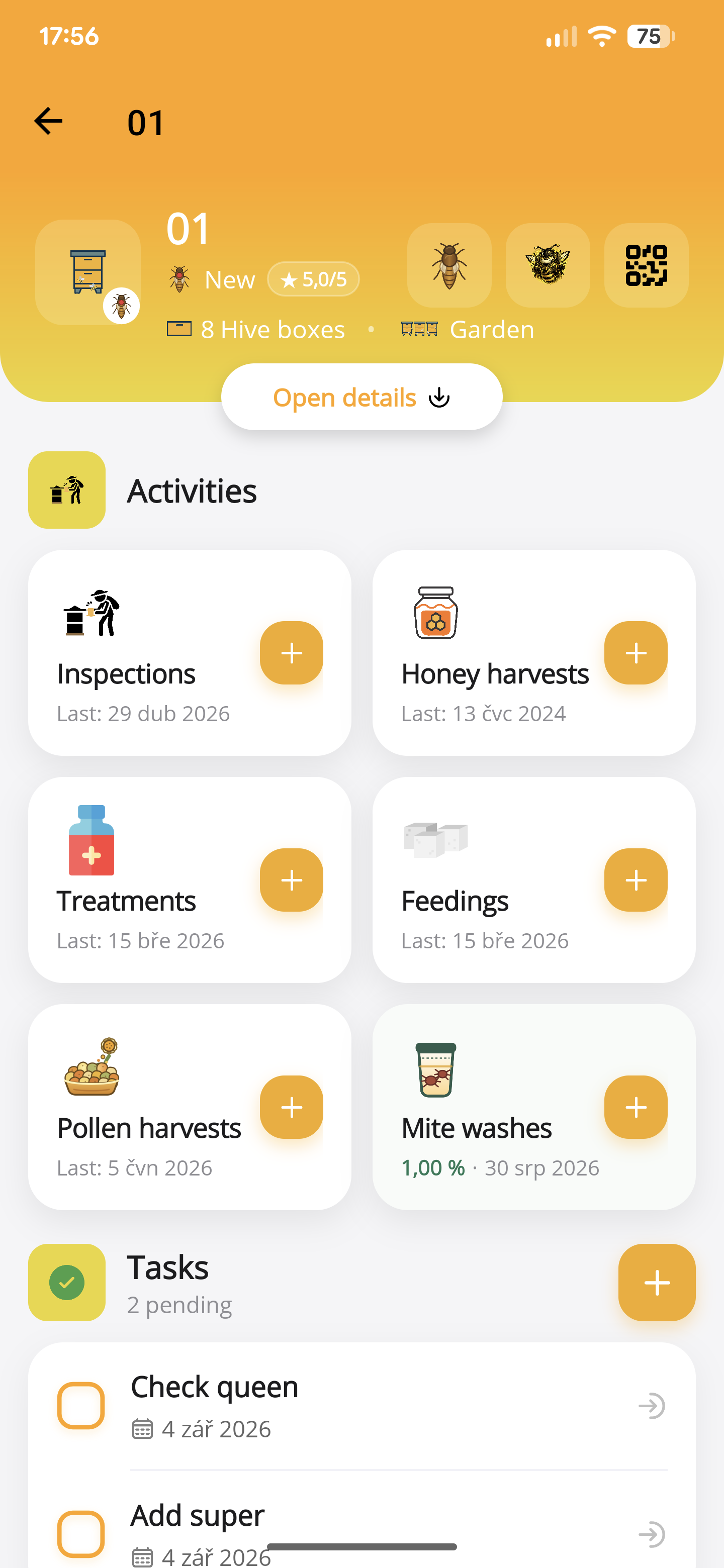
How to record a hive inspection in ApiNote
Keep brood observations, stores, queen notes and follow-up work with the right hive. Learn the manual and voice inspection workflow in ApiNote.
UpdatedCommon beekeeping mistakes—and a better habit for each
Avoid preventable confusion around inspections, feeding, queens, mite monitoring and honey harvests with practical habits for a new beekeeper.
Updated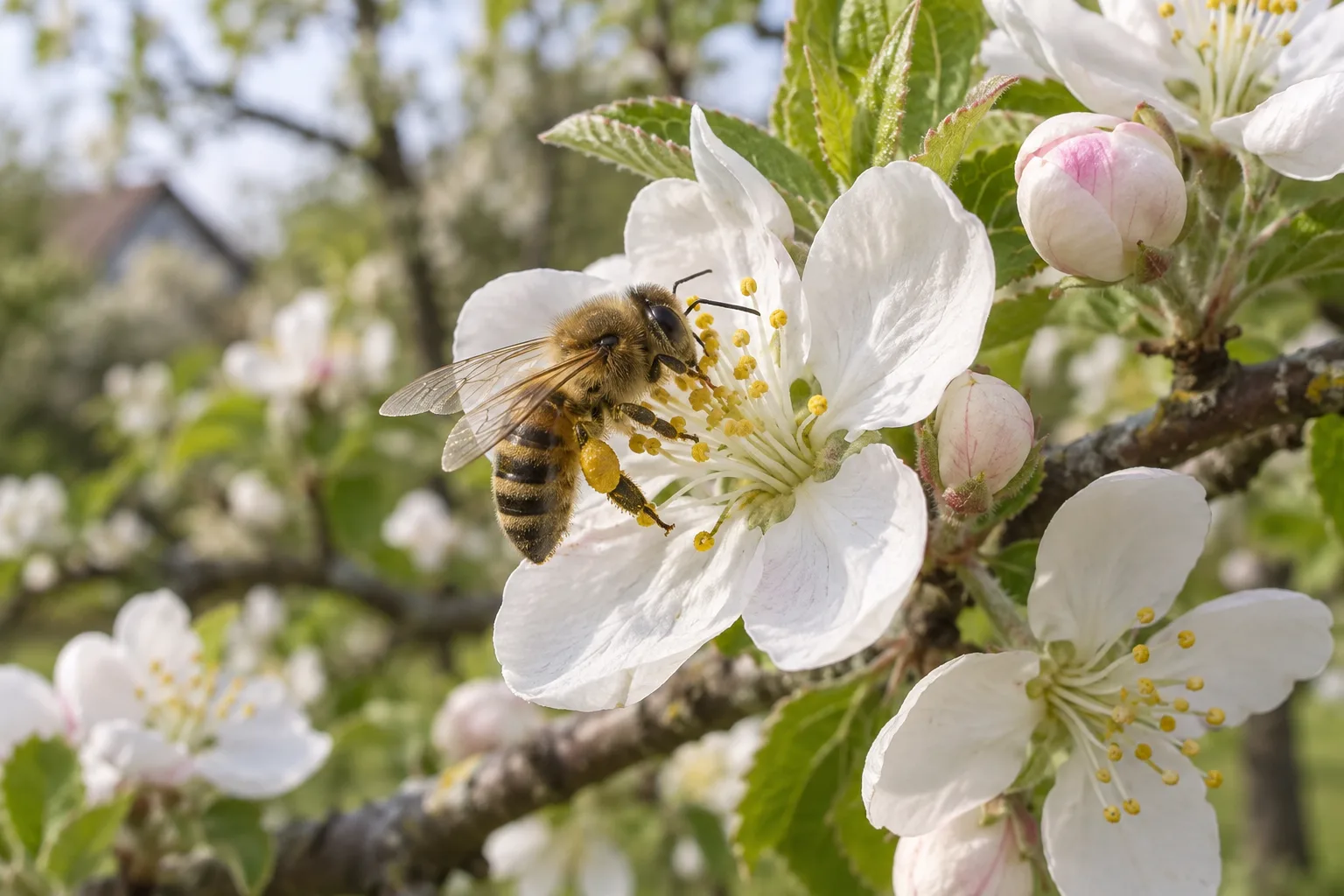
Spring feeding: assess stores before adding supplements
When do bees need spring feed or protein supplements? Start with stores, pollen availability and colony demand, then record and reassess what you provide.
Updated