Beekeeping practice
A smaller hive entrance is not necessarily mouse-proof
The entrance block is in, the roof is secure, and the hive looks ready for winter. But look once more at the doorway: have you made it smaller, or actually protected it against mice? Those are different jobs. A short check of the barrier, its edges and the bees’ passage is more useful than simply ticking ‘entrance reduced’ off a list.
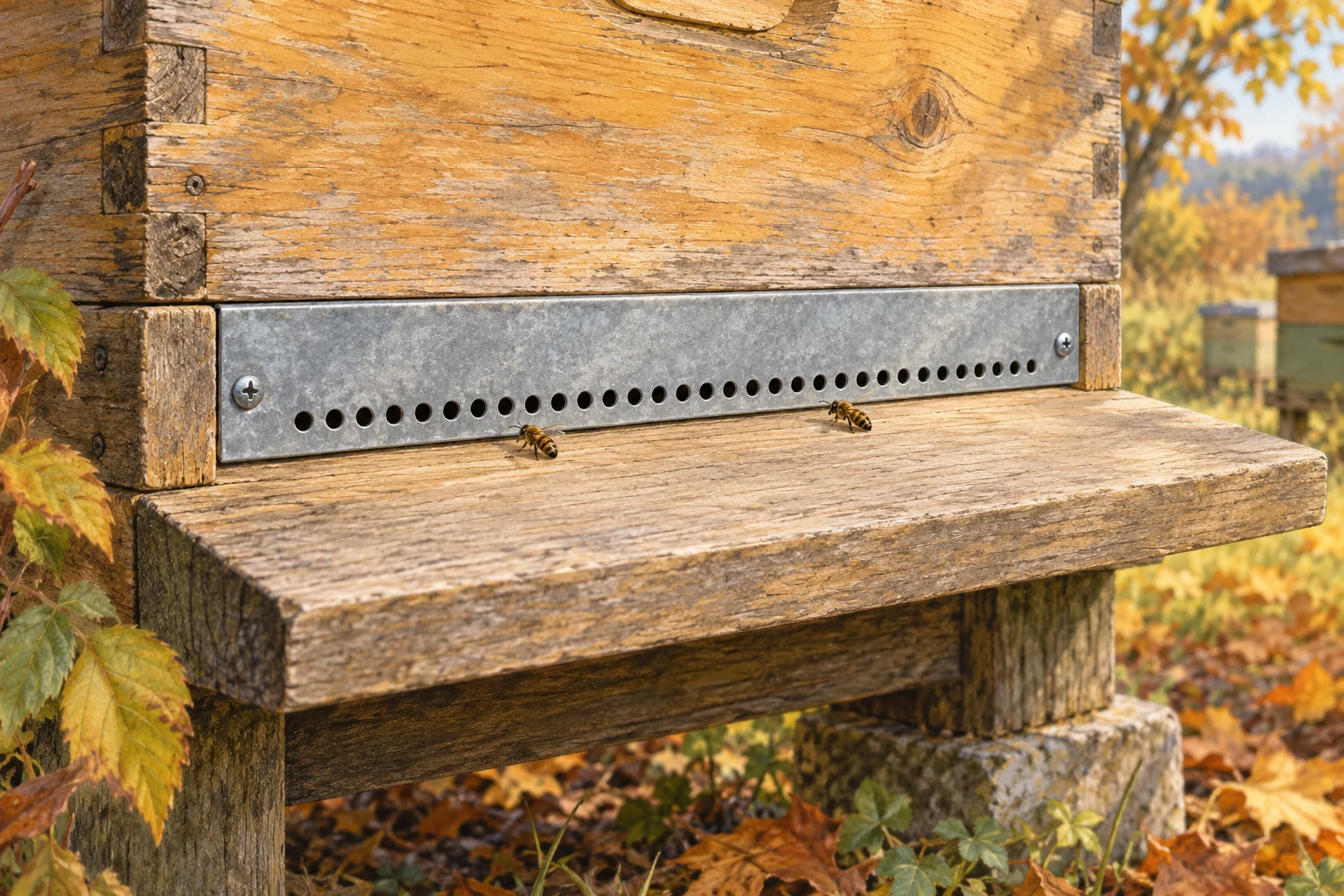
A reducer and a mouse guard solve different problems
An entrance reducer limits the opening that bees use and defend. A mouse guard is intended to exclude rodents while allowing bees through. Some designs combine both functions, but an ordinary loose wooden reducer should not automatically be treated as mouse protection.
Nebraska Extension’s guide explains that mice can push traditional reducers out of position. It also describes why winter hives attract them: food, shelter and warmth, with space beneath the bee cluster where a nest may be made. Damage can include chewed comb and wood, as well as contaminated equipment and stores.
The useful question is therefore not ‘Have I fitted an entrance block?’ It is ‘What prevents a mouse from entering this particular hive?’
Use local conditions, not a universal October date
The UK National Bee Unit includes mouse guards in its winter-preparation guidance. For a temperate European apiary entering autumn, this is a timely equipment check. It is not a reason to apply the same calendar date in every climate, or to add another guard where the hive already has suitable permanent protection.
Check the maker’s instructions for your actual floor and guard. A removable metal strip and a permanently modified entrance are different systems. Nebraska Extension publishes a specific all-season design for Langstroth bottom boards; its construction details should not be casually transferred to a different hive format.
Choose protection appropriate to the local rodents and hive design. If you are uncertain about an opening size or an unfamiliar fitting, ask the supplier or an experienced local beekeeper rather than guessing from an illustration.
Follow the whole entrance from one end to the other
Use this practical inspection routine when fitting or checking the guard. The aim is to examine the actual route into the hive, not just the piece of equipment in the middle. An outside check does not by itself prove that the interior is free of rodents.
If you find suspected nesting material, droppings or chewed equipment, resolve the concern before treating the hive as protected. Do not simply fit a barrier and assume an animal already inside has gone. Arrange an appropriate assessment with local help if needed; avoid an unnecessary full inspection in cold weather.
- Coverage: inspect both ends, the space beneath the guard and any other entrance in use. Record any route that still needs attention.
- Security: check that the fitting is attached as intended and has not shifted, bent or left an unprotected gap.
- Bee passage: confirm that the fitted position leaves the intended openings available. If bees are flying, watch them enter and leave.
- Obstructions: check for leaves, accumulated dead bees or other debris at the doorway. Keep the intended passage clear without poking into the winter cluster.
- Hive design: preserve the ventilation and drainage the system requires. Rodent protection is not an instruction to seal the hive airtight.
Record the exception, not just ‘guards fitted’
Imagine checking four hives and finding one loose end fitting. ‘All guards fitted’ hides the one thing that needs another visit. A more useful invented note is: ‘Hive 4: right-hand fixing loose; replacement fitting needed. Entrance currently clear. Recheck after repair.’
Keep a dated note of the guard type, the observed fit and anything unresolved. A reference photo can help you compare the same entrance later, but it is not evidence that there are no mice inside. Revisit the entrance as part of normal winter checks, particularly after something has moved or obstructed it.
ApiNote tasks can be linked to a hive or apiary and given a date and optional device reminder. ‘Recheck Hive 4 entrance after fitting replacement guard’ is a useful follow-up. Record the result after doing the work, and continue reviewing the task list: phone notification permissions and system settings affect reminders.
Sources & further reading
ApiNote · iOS & Android
Good notes make the next visit easier.
Give every colony a history you can find again. ApiNote is available for iOS and Android, free for up to five hives.
Compare Free & ProKeep exploring
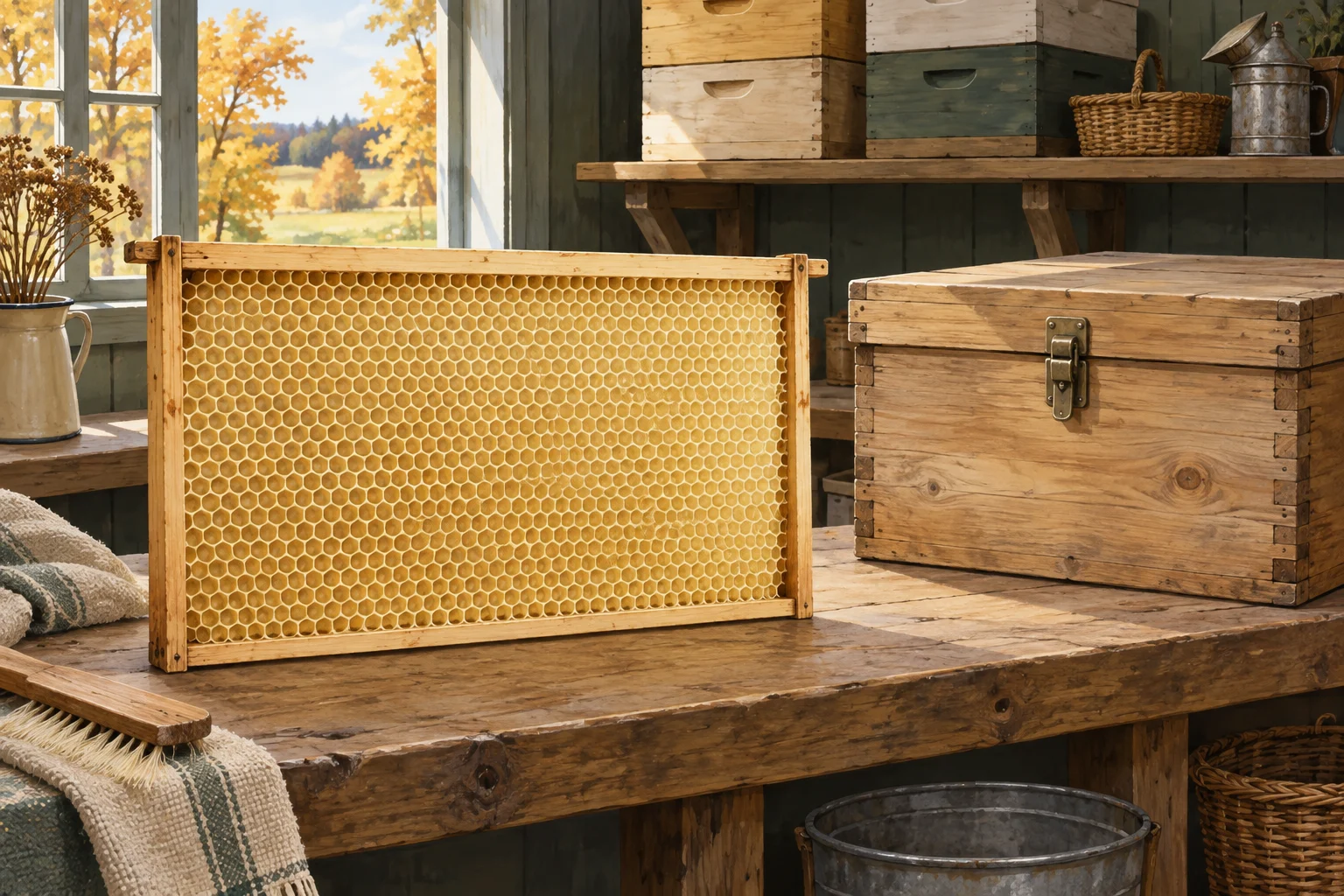
Storing drawn comb: freezing is only the first step
Protect next season’s drawn comb from wax moths. Learn what to keep, how to plan freezing and moth-proof storage, and what to check after packing.
Updated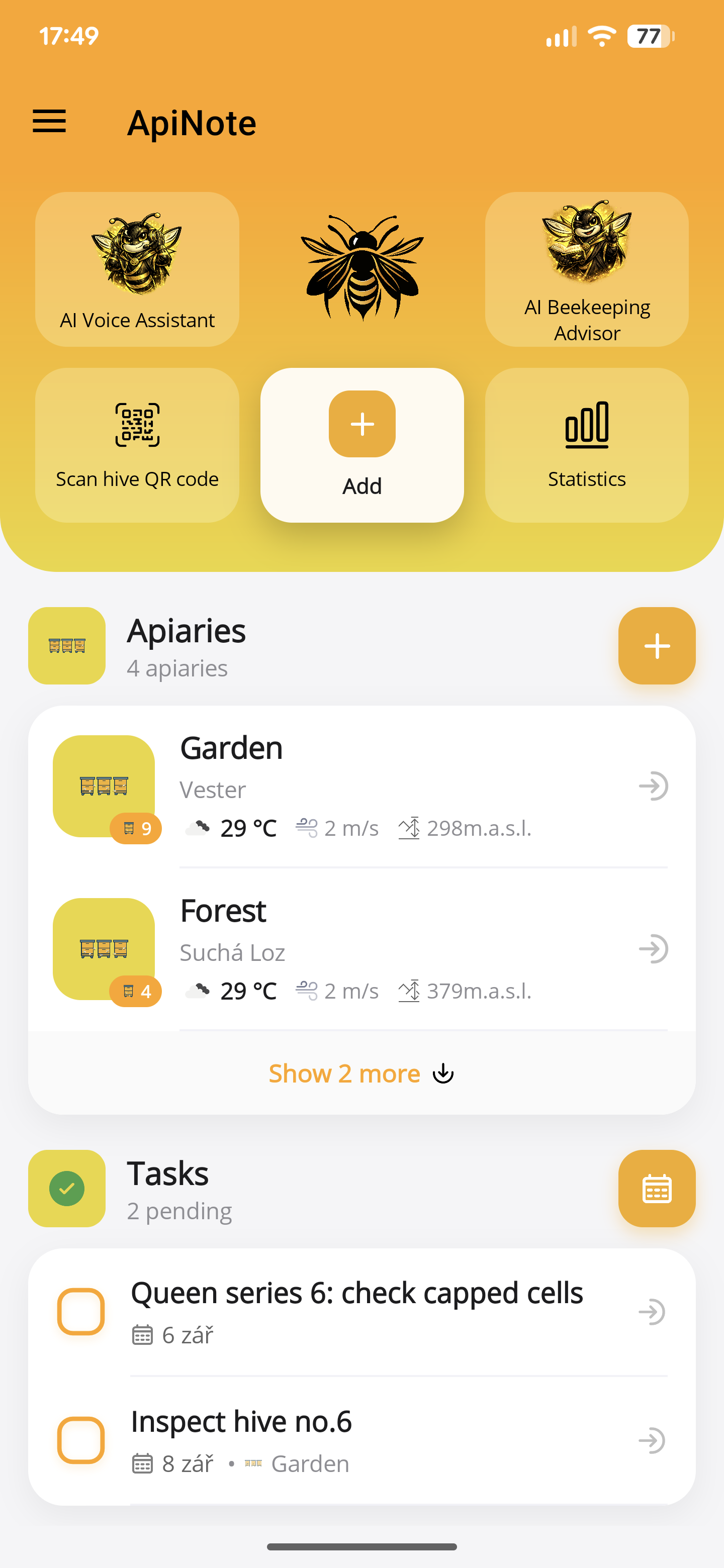
How to create a hive task and reminder in ApiNote
Turn a follow-up check into an ApiNote task. Choose the hive, set a date and optional phone reminder, then mark the work complete in your calendar.
Updated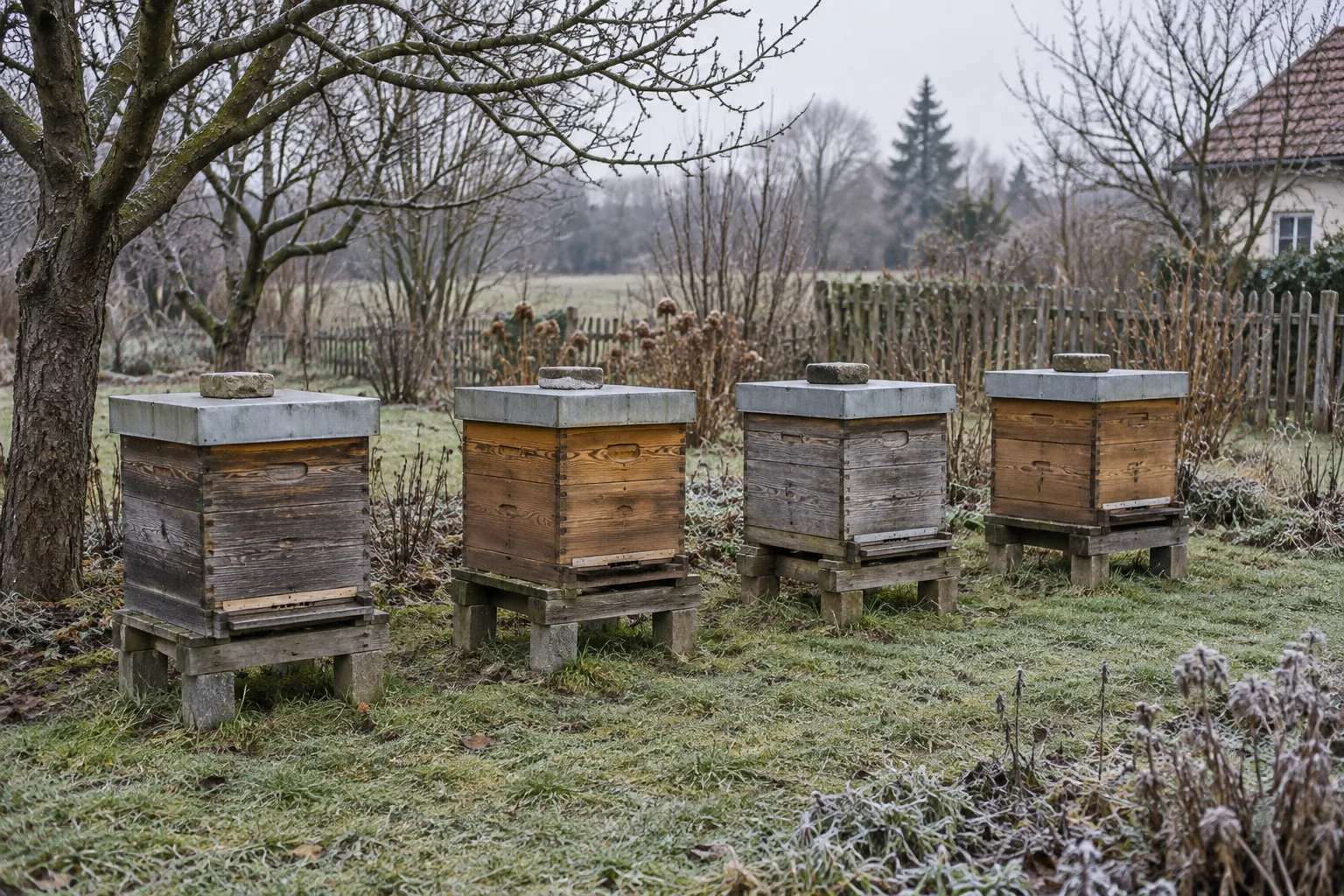
Preparing bees for winter: a colony-by-colony checklist
Review stores, colony condition, varroa follow-up and hive protection before winter. A practical checklist that avoids one-size-fits-all dates and feed targets.
Updated